


Content Marketing Management: Turning Strategy into Stories
Content marketing management is the backbone of a successful digital strategy, turning ideas into impactful, measurable results. Without a solid management process, even the best content can get lost, duplicated, or fail to connect with your audience.
It is the systematic process of planning, creating, organizing, distributing, and governing all your content assets. It covers the entire content lifecycle, from ideation to performance analysis, with the primary goal of attracting, engaging, and retaining your target audience to drive profitable action.
Without proper management, your content efforts can become chaotic and ineffective. The data supports this: a significant 62% of the most successful brands have a documented content strategy and process, compared to only 11% of the least successful companies.
This guide will show you how to build an essential framework to master the process, streamline your efforts, and ensure your content consistently drives business growth and delivers a strong ROI.
What is Content Marketing Management (and What It’s Not)?
Juggling multiple content pieces, writers, and platforms while trying to track ROI can feel like creative chaos. This is precisely why content marketing management exists—to bring order and create a well-oiled machine that drives results.
It’s the operational blueprint that ensures every piece of content has a purpose, reaches the right people, and moves your business forward. Think of it as the difference between throwing spaghetti at the wall and conducting a symphony.
Defining the Core Concept
Content marketing management is the systematic process of planning, creating, distributing, and measuring all your content throughout its lifecycle. From the initial idea to analyzing performance metrics months later, effective management touches every step.
This end-to-end approach ensures your content doesn’t just exist—it performs. It attracts the right audience, engages them meaningfully, and drives them toward profitable actions. This systematic process scales with your business, allowing you to start with documented workflows and expand as your team and content needs grow.
Management vs. Strategy vs. Governance: A Clear Distinction
Many businesses confuse content strategy, content management, and content governance. Understanding these three interconnected concepts is crucial for building an effective content operation.
| Concept | Focus (The “What”) | Purpose (The “Why”) | Execution (The “How”) |
|---|---|---|---|
Content Strategy | What content to create, for whom, and why. | To define business goals and audience needs, and how content will meet both. | Outlines topics, formats, channels, and desired outcomes. |
Content Management | How content is produced, organized, and maintained. | To efficiently create, publish, and update content assets. | Defines workflows, roles, tools, and processes for the content lifecycle. |
| Content Governance | Who is responsible for content, and what are the rules. | To ensure content quality, compliance, and consistency. | Sets policies, standards, and guidelines for the entire operation. |
In short:
- Content strategy is your “why”—it aligns content with business goals and audience needs. For a mortgage company, the strategy might focus on educating first-time homebuyers.
- Content management is your “how”—the practical, day-to-day work of bringing that strategy to life through workflows and tools.
- Content governance sets the “rules”—your quality control system that ensures consistency and compliance, which is especially crucial in regulated industries like finance and real estate.
You need all three working together to reach your content marketing goals efficiently.
Building Your Content Marketing Management Framework
Implementing a robust content marketing management framework is a game-changer. A significant 62% of the most successful brands have a documented strategy and a clear process. This isn’t a coincidence; it’s a testament to the power of organization.
At Real Marketing Solutions, we’ve seen how a well-defined process enables workflow automation, fosters team collaboration, and ensures your content operations can scale effortlessly. We build these frameworks for clients from small businesses to government agencies, turning content into a well-oiled machine that drives tangible results.
Stage 1: Strategic Planning and Ideation
Before any content is created, strategic planning sets the stage. This foundational step involves:
- Understanding Your Audience: We develop detailed buyer personas and map the customer journey to understand your audience’s pain points, questions, and aspirations. This ensures every piece of content resonates.
- Keyword and Topic Research: We identify the terms your audience uses in searches to build topic clusters around your core subjects. This establishes authority and improves search engine rankings.
- Creating a Content Calendar: This document outlines topics, formats, and publication dates, preventing last-minute scrambles and ensuring a consistent output.
- Setting Clear Goals: We help you set SMART goals (Specific, Measurable, Achievable, Relevant, Time-bound) to provide direction and a basis for measuring success.
The Content Production Workflow
Once the strategy is set, a clear workflow guides content from concept to completion. A typical process includes:
- Ideation: Brainstorming content ideas based on strategy and research.
- Briefing: Creating detailed outlines covering objectives, audience, and key messages.
- Content Creation: Writing, designing, or producing the actual content asset.
- Editing & Design: Refining the content for clarity, style, and visual appeal.
- Approval: Getting sign-off from key stakeholders to ensure accuracy and alignment.
- Publishing & Archiving: Releasing the content on chosen platforms and storing it in an organized system for future use.
Adapting Your Content Marketing Management for Different Formats
Effective management is adaptable. We tailor our approach for various formats to maximize impact:
- Blogs: SEO-optimized, readable articles that provide actionable insights.
- Video: A complete process from scriptwriting and shooting to editing and distribution on platforms like YouTube and TikTok.
- Social Media: Engaging, platform-specific content for channels like Facebook, Instagram, and YouTube. We also help leverage user-generated content to build authenticity. Learn more about Service-Based Sales Strategies for Social Media.
- Podcasts & Infographics: We manage audio production for podcasts and data visualization for infographics to simplify complex information.
- Repurposing Content: We maximize the value of every asset by turning a video into a blog post, or a podcast into social media snippets.
Optimizing the Feedback and Review Process
A poorly managed feedback loop can stall projects. We streamline this critical stage by:
- Using Centralized Feedback Tools: Online proofing tools allow stakeholders to comment directly on content, preventing confusion.
- Maintaining Version Control: A clear labeling system (e.g., “blog-post-v3”) ensures everyone works on the latest draft.
- Defining Approval Workflows: We establish who needs to approve what and by when to prevent bottlenecks.
- Ensuring Clear Communication: We facilitate constructive, actionable feedback to reduce errors and delays.
Essential Tools and Technologies for Success
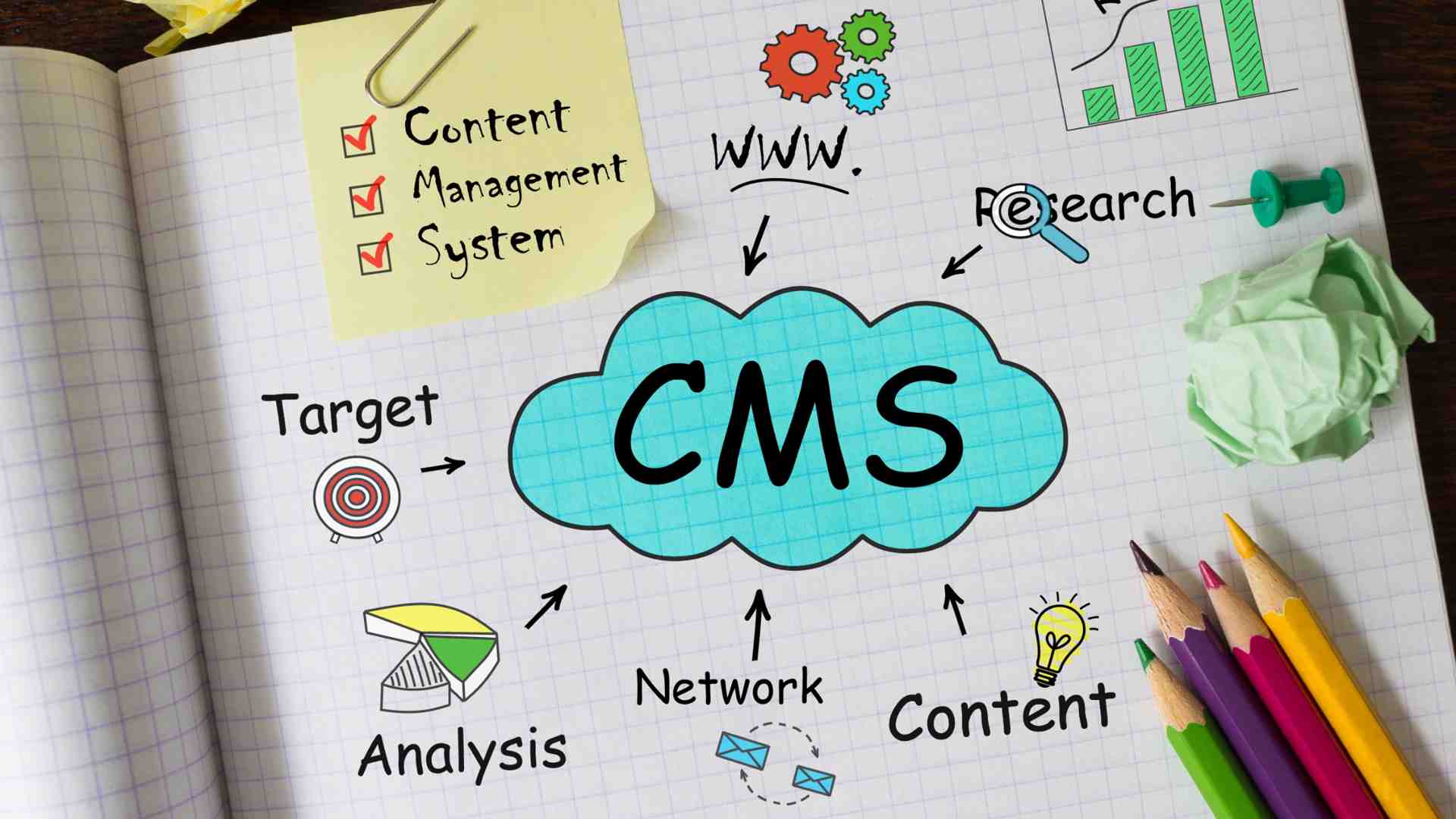
Effective content marketing management requires the right tech stack. The right technology boosts efficiency, ensures brand consistency, and provides the insights needed for optimization. At Real Marketing Solutions, we help clients build integrated systems where all tools work together seamlessly.
Key Software Categories for Streamlined Management
An effective tech stack is built on a few core categories that keep your content flowing smoothly:
- Content Management Systems (CMS): Platforms like WordPress allow you to create, edit, and publish content without IT support.
- Project Management Platforms: These tools organize tasks, set deadlines, and track progress, keeping everyone on the same page.
- Digital Asset Management (DAM) Systems: A DAM provides a central, searchable library for all your media files, like images, videos, and logos.
- Analytics and Reporting Tools: These tools track performance against your KPIs, showing you what’s working and where opportunities lie.
- Social Media Schedulers: Plan, schedule, and publish content across various platforms to ensure a consistent presence.
- Email Marketing Platforms: Distribute content to subscribers, nurture leads, and build lasting customer relationships. Learn How to Master Automated Email Marketing.
We support and integrate these tools for our clients, creating a cohesive marketing ecosystem.
Best Practices for Managing Digital Assets
Mismanaged digital assets kill productivity. To avoid this, we implement best practices:
- Centralized Library: All assets live in one cloud-based location, accessible to the team.
- File-Naming Conventions: Clear, consistent rules (e.g.,
blog-post-topic-date-v1.jpg) make files easy to find. - Metadata and Tagging: Applying relevant keywords and tags turns your library into a searchable database.
- Version Control: A clear system tracks revisions, so everyone knows which version is the latest.
- Access Permissions: Control who can view, edit, or publish content to keep workflows secure.
Leveraging AI in Your Workflow
Artificial intelligence is changing content marketing management. We use AI not to replace human creativity, but to improve it, making our clients more efficient and effective. Here are 5 Ways to Use AI In Marketing.
- AI for Ideation: AI analyzes trends and data to suggest fresh topic ideas. Research shows 45% of marketers already use AI for inspiration.
- AI for Content Outlines: It can generate comprehensive outlines, saving planning time.
- AI for Personalization: AI analyzes user behavior to deliver the right content to the right person at the right time.
- AI for Performance Analysis: It identifies patterns in your content’s success to help optimize future efforts based on data.
- Workflow Automation: AI can handle repetitive tasks like content categorization and scheduling, freeing up your team for strategic work.
Measuring Success and Maximizing ROI
If you can’t measure your content marketing, you can’t improve it. The goal is to drive real business results. That’s why tracking performance and making data-driven decisions is at the heart of what we do at Real Marketing Solutions.
Content marketing generates over three times more leads than traditional outbound marketing while costing 62% less on average. Our focus is on turning those industry statistics into your success story.
Identifying the Right KPIs for Your Goals

Key Performance Indicators (KPIs) are your content’s report card. Choosing the right metrics is crucial for measuring what matters to your bottom line.
- Website Traffic: Metrics like unique visitors, page views, and time on site show if you’re attracting and holding your audience’s attention.
- Conversion Rates: This tracks how many visitors take a desired action, such as filling out a form, downloading a guide, or scheduling a consultation.
- Lead Quality: We dig deeper than just the number of leads to ensure they fit your ideal customer profile.
- Engagement Metrics: Likes, shares, and comments on social media and blogs reveal how well your content resonates with your audience.
- SEO Rankings: Higher rankings for target keywords mean more organic traffic and more opportunities.
- Customer Lifetime Value (CLV): This helps measure the long-term impact of your content on customer retention and loyalty.
How Effective Management Drives Business Growth
When we streamline your content marketing management, it becomes a consistent driver of business growth.
- Improved Efficiency: Your team spends less time on administrative tasks and more time creating impactful content.
- Consistent Brand Messaging: Every piece of content reinforces your brand identity, building trust.
- Better Customer Experience: Delivering valuable, relevant information at every stage of the buyer’s journey helps customers solve their problems.
- Increased Lead Generation: Well-managed content consistently attracts the right people. In fact, 67% of B2B marketers found content marketing effective for lead generation in 2023.
- Higher Sales Conversion: Educated prospects who trust your brand are more likely to convert.
The Role of Personalization in Boosting Performance
In a world of generic messages, personalization makes your content stand out.
- Targeted Messaging: We speak directly to specific audience segments, addressing their unique needs and concerns.
- Dynamic Content: Website pages and emails can adapt in real-time based on user behavior and interests.
- Audience Segmentation: We divide your audience into smaller groups to create highly relevant content for each.
- Behavioral Data: Understanding how people interact with your content allows us to refine our approach and anticipate their needs, improving the customer journey and boosting engagement.
Frequently Asked Questions about Content Marketing Management
Content marketing management can seem complex. Over the years, we’ve helped countless businesses in mortgage, finance, and real estate tackle common challenges. Here are the questions we hear most often.
How do you overcome common challenges like lack of resources or process?
Feeling like you lack the time or people for content is a common problem. The solution is to start small and build momentum.
- Start Small: Focus on perfecting the process for one content type, like your blog, before expanding.
- Document Everything: Write down your current process to identify gaps and create clarity for the team.
- Prioritize Ruthlessly: Concentrate on content initiatives that directly support your primary business goals, like lead generation.
- Use Automation: Leverage tools to handle repetitive tasks, freeing up your team for more strategic work.
- Focus on High-Impact Activities: Show initial ROI from well-managed efforts to make a strong business case for more resources.
How can you ensure brand consistency with multiple content creators?
Managing brand consistency is like conducting an orchestra—everyone needs to play from the same sheet music.
- Create Detailed Brand Guidelines: A comprehensive style guide covering tone, voice, and visual identity is essential.
- Use Templates: Pre-designed templates for blogs, social graphics, and emails ensure a cohesive look.
- Establish a Clear Approval Workflow: A defined review process catches inconsistencies before content goes live.
- Use a Centralized DAM: A Digital Asset Management system ensures everyone uses the correct, up-to-date brand assets.
- Conduct Regular Training: Periodic reviews of brand guidelines keep all creators aligned.
How does content marketing management support SEO?
Effective content marketing management creates a systematic approach that search engines reward.
- Consistent, High-Quality Content: A managed process ensures a steady stream of fresh, relevant content, which is a key SEO ranking factor.
- Integrated Keyword Strategy: We build keyword research and topic cluster planning into the ideation stage, so content is optimized from the start.
- Strategic Link Building: We can manage campaigns to promote high-performing content and earn valuable backlinks.
- Performance Tracking: We monitor keyword rankings and organic traffic as core KPIs, continuously refining the strategy for better visibility.
Conclusion: Master Your Content to Master Your Market
In a noisy digital world, your content is your most powerful marketing asset. Content marketing management provides the strategic direction to transform scattered efforts into a high-performing system that engages your audience and drives business goals.
By implementing a documented process, using the right tools, and committing to continuous improvement, you gain efficiency, consistency, and the ability to measure your impact. Mastering your content management means mastering your market.
At Real Marketing Solutions, our specialists understand lead generation, SEO, and content creation for the mortgage, finance, and real estate sectors. We build and execute custom content marketing management strategies that drive measurable results and a significant return on your investment.
Subscribe to the Social Scoop
Receive regular news & updates in the world of social media marketing.
COMPANY ACCOLADES


Follow Us


